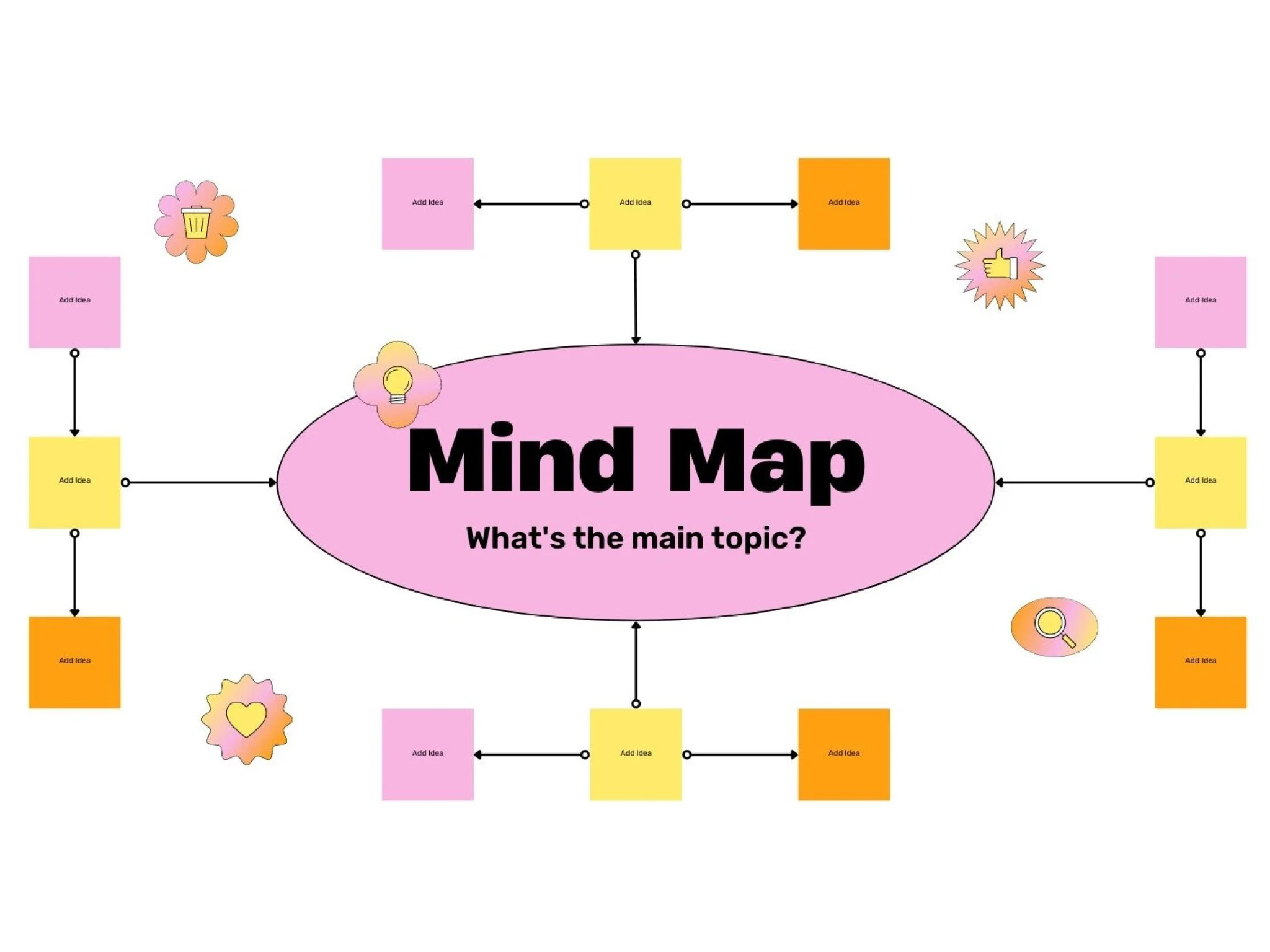
How Online Mind Maps Help Organize Thoughts
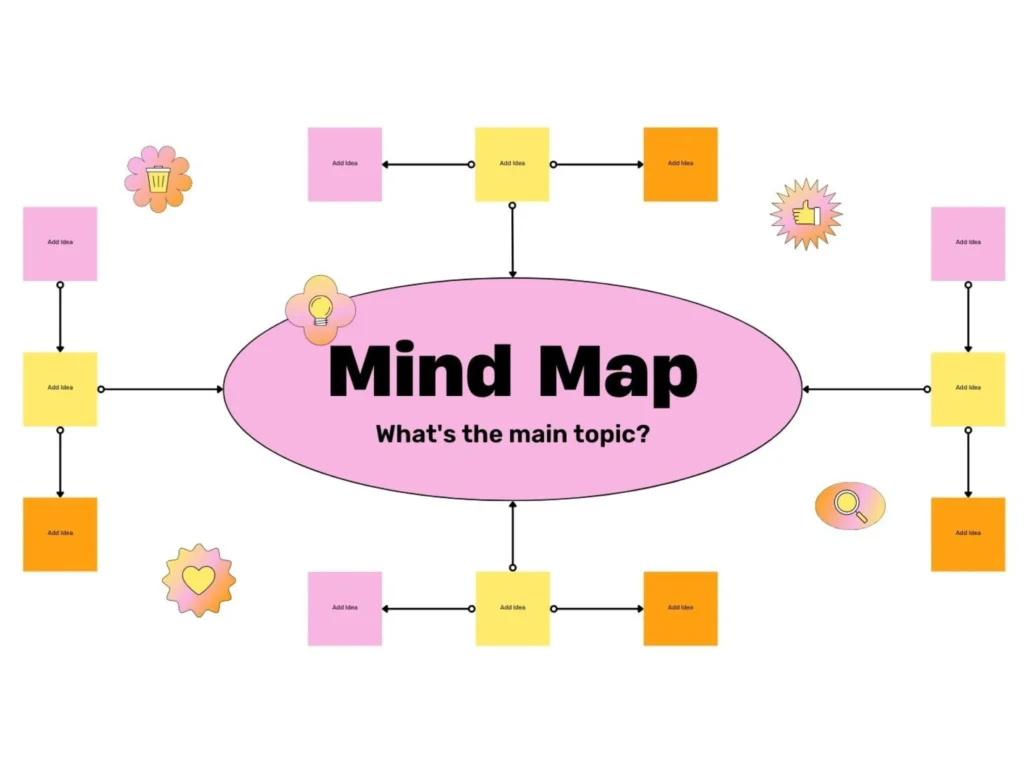
In a world filled with information, ideas, and constant distractions, organizing thoughts has become a modern-day challenge. Whether someone is working on a complex project, studying for exams, planning a business strategy, or simply trying to sort out personal goals, mental clarity is essential for productivity and decision-making. Yet, the human mind can only hold so much at once. When ideas pile up, they become overwhelming, unclear, and difficult to act on.
This is where online mind maps come into play. Mind mapping—once done with pen and paper—has evolved into a powerful digital tool that helps individuals visually capture, structure, and expand their thoughts in a highly interactive and intuitive way. Online mind maps allow users to brainstorm, organize ideas, plan projects, visualize connections, and communicate concepts more effectively.
In this comprehensive article, we explore how online mind maps help organize thoughts, the psychology behind their effectiveness, their benefits across different fields, and how they are shaping modern productivity and learning.
1. What Is a Mind Map?
A mind map is a visual diagram that organizes information around a central concept. Branches extend outward to represent ideas, categories, and connections. Each branch can be expanded into sub-branches, creating a tree-like structure that mirrors the brain’s associative thinking.
Traditional mind maps were drawn on paper, but digital versions offer significantly more flexibility, including:
- drag-and-drop editing
- multimedia integration
- real-time collaboration
- cloud storage
- automatic linking and formatting
Online mind maps turn ideas into dynamic, interactive visual networks that help users think more clearly and creatively.
2. Why Organizing Thoughts Is Essential
Before understanding how mind maps help, it’s important to recognize why thought organization matters in the first place.
1. Mental Clarity Improves Decision-Making
When information is scattered, so is thinking. Organized thoughts lead to:
- better decisions
- clearer priorities
- reduced confusion
Clarity allows the mind to identify patterns and solutions more effectively.
2. Organized Thinking Reduces Stress
Mental clutter creates emotional strain. Organizing thoughts helps:
- lower anxiety
- reduce overwhelm
- provide direction
- simplify complex ideas
This sense of structure improves mental well-being.
3. Better Thought Organization Increases Productivity
When people know what tasks to focus on and how ideas connect, they work faster and more efficiently.
4. Creativity Thrives in Structure
Creativity requires freedom—but also organization. Thought maps provide balance by offering structure without restricting imagination.
5. Learning and Memory Improve With Organization
Organized information is easier to understand, recall, and apply. This is especially valuable for students and professionals.
3. The Psychology Behind Mind Maps
Mind maps are not just visually appealing—they are grounded in neuroscience and cognitive psychology.
1. They Mirror How the Brain Naturally Works
The brain forms associations in a nonlinear way. Mind maps mimic this process through:
- branching structures
- connected ideas
- visual clustering
This alignment enhances comprehension and retention.
2. Dual Coding Theory
People learn better when information is presented both visually and verbally. Mind maps combine:
- keywords
- colors
- shapes
- images
This boosts memory and understanding.
3. Cognitive Load Reduction
Mind maps reduce cognitive overload by visually breaking down complex ideas into manageable chunks.
Instead of holding everything in the mind at once, information is offloaded, freeing mental capacity for problem-solving.
4. The Generation Effect
Creating mind maps forces active engagement, making information more memorable than simply reading or listening..00.0
5. Enhanced Focus
A central concept with radiating branches keeps attention structured and reduces distraction.
4. Benefits of Online Mind Maps for Organizing Thoughts
Online mind mapping tools offer unique advantages that go beyond traditional methods.
1. Visual Clarity and Structure
Mind maps turn abstract thoughts into concrete visual structures. This helps users see:
- relationships between ideas
- hierarchies
- gaps in understanding
- the big picture
Thoughts become easier to navigate and analyze.
2. Flexible Editing and Rearranging
One of the biggest advantages of online mind maps is their flexibility.
Users can:
- drag nodes to reorganize ideas
- add branches instantly
- merge or split pathways
- rearrange information without starting over
This dynamic editing encourages iterative thinking.
3. Encourages Brainstorming Without Judgment
When writing in linear format, people often hesitate or judge their ideas too early. Mind maps:
- allow free-flow thinking
- welcome messy brainstorming
- remove pressure to write in order
This facilitates creativity and open exploration.
4. Connects Ideas Easily
Online mind maps let users draw connections between branches, demonstrating how concepts influence each other.
This leads to deeper insight, pattern recognition, and more holistic thinking.
5. Improves Memory and Recall
Because mind maps use:
- colors
- symbols
- keywords
- images
they activate multiple brain regions, improving memory retention.
6. Helps Break Down Complex Topics
Mind maps simplify complexity. Large projects or complicated subjects become digestible when broken into smaller, manageable parts.
This is especially useful for:
- project planning
- academic studying
- business strategy
- personal goal setting
7. Real-Time Collaboration Enhances Group Thinking
Online mind maps often include collaboration features that allow teams to:
- brainstorm together
- edit simultaneously
- discuss ideas visually
- develop shared understanding
This improves teamwork and communication.
8. Accessibility Across Devices
Cloud-based mind maps are available across:
- computers
- tablets
- smartphones
This ensures thoughts are organized and accessible anytime.
9. Integration With Other Tools
Many online mind mapping platforms integrate with:
- Notion
- Google Drive
- Trello
- Microsoft Teams
- Slack
- Project management systems
This seamless integration centralizes productivity.
10. Endless Canvas for Big Ideas
Unlike paper, which has limits, digital mind maps allow infinite expansion. This benefits long-term planning or large-scale thinking.
5. How Online Mind Maps Help in Different Areas
Mind maps support thinking and organization across a wide range of fields.
1. For Students and Learning
Online mind maps are immensely powerful learning tools.
How they help:
- summarize textbook chapters
- prepare for exams
- organize lecture notes
- plan essays or assignments
- visualize timelines or processes
- understand complex theories
They help students study more effectively and retain information longer.
2. For Professionals and Work Projects
Mind maps enhance workplace productivity by:
- planning projects
- structuring reports
- generating ideas during meetings
- organizing tasks and goals
- outlining presentations
- mapping strategies
Teams use mind maps as a common visual language for complex work.
3. For Creative Work
Creatives often use mind maps for:
- storyboarding
- brainstorming art or design concepts
- planning novels or films
- generating content ideas
- organizing research for creative projects
Mind maps free the mind to explore imaginative pathways.
4. For Business Strategy
Leaders and entrepreneurs use mind maps to:
- develop business plans
- analyze competition
- map customer journeys
- outline marketing campaigns
- visualize workflows
- break down operational processes
This clarity supports better decision-making.
5. For Personal Life and Self-Development
Mind maps are useful for organizing:
- personal goals
- daily routines
- habit tracking
- journaling
- travel planning
- financial planning
- emotional reflection
They help individuals understand themselves better and create more intentional lives.
6. How Online Mind Maps Improve Problem-Solving
Mind maps are powerful problem-solving tools because they help users explore issues from multiple angles.
1. Clarifying the Problem
Mind maps break down complicated problems into smaller parts, helping users identify the root cause.
2. Generating Creative Solutions
The branching mechanism encourages divergent thinking—generating many ideas before narrowing them down.
3. Seeing Connections in Complex Issues
Mind maps reveal patterns and relationships that might go unnoticed in linear writing.
4. Preventing Tunnel Vision
Mind maps encourage exploring alternative perspectives, reducing the likelihood of focusing too narrowly on one aspect.
7. Online Mind Maps and Productivity
Mind maps significantly boost productivity in both personal and professional settings.
1. Task Breakdown and Prioritization
Complex tasks become manageable when broken into:
- main tasks
- subtasks
- deadlines
- dependencies
Mind maps visually lay out these components.
2. Turning Ideas Into Action Plans
Mind maps help transition from brainstorming to structured action by highlighting:
- key objectives
- necessary steps
- resources needed
- timelines
3. Reducing Procrastination
When tasks are visually clear, the mind feels less overwhelmed. This reduces avoidance and increases motivation.
4. Enhancing Focus
The visual structure keeps users focused on the central goal while allowing room for expansion.
8. Differences Between Online and Traditional Mind Maps
While paper-based mind maps are valuable, online versions offer several advantages:
| Feature | Traditional Mind Maps | Online Mind Maps |
|---|---|---|
| Editing | Hard to change | Very flexible |
| Collaboration | Limited | Real-time |
| Storage | Physical | Cloud-based |
| Multimedia | None | Images, videos, links |
| Space | Limited | Infinite canvas |
| Structure | Static | Dynamic and interactive |
| Sharing | Physical copy/scanning | Instant sharing links |
Online tools clearly offer more versatility and scalability.
9. How Online Mind Maps Support Better Communication
Mind maps are excellent communication tools because they simplify complex information.
1. Clear Visual Explanation
Instead of lengthy paragraphs, mind maps present ideas visually, making them easier to understand.
2. Great for Meetings and Presentations
Teams use mind maps for:
- brainstorming sessions
- strategy discussions
- presentations
- project briefings
Visuals enhance engagement and clarity.
3. Shared Understanding Among Team Members
Mind maps ensure everyone sees the same information, reducing misunderstandings.
10. Best Practices for Using Online Mind Maps
To maximize effectiveness, users should follow certain best practices.
1. Start With a Clear Central Topic
The central idea should be concise and well-defined.
2. Use Keyword-Based Branches
Short keywords encourage clarity and help trigger memory.
3. Use Colors and Icons
Visual cues help categorize information and improve recall.
4. Don’t Overcrowd
Mind maps should remain clean and readable. Too much text defeats their purpose.
5. Use Hierarchies and Grouping
Organize branches logically to help the brain follow the structure.
6. Regularly Update the Map
Mind maps are living documents that evolve with new insights and ideas.
11. The Future of Online Mind Mapping
As technology evolves, the future of mind mapping includes:
- AI-assisted idea generation
- automated mind map creation from notes
- smart suggestions for connections
- integration with VR brainstorming
- personalized mind maps based on learning style
The future is highly interactive and intelligent.
Conclusion: How Online Mind Maps Help Organize Thoughts
Online mind maps offer a powerful way to organize thoughts by visually structuring ideas, improving mental clarity, encouraging creativity, and enhancing productivity. They help individuals—from students to professionals—break down complex information, develop solutions, and communicate ideas more effectively.
By aligning with how the brain naturally processes information, mind maps transform overwhelming thoughts into organized visual frameworks. Whether used for learning, planning, brainstorming, or personal growth, they empower people to think clearer, work smarter, and achieve more.